

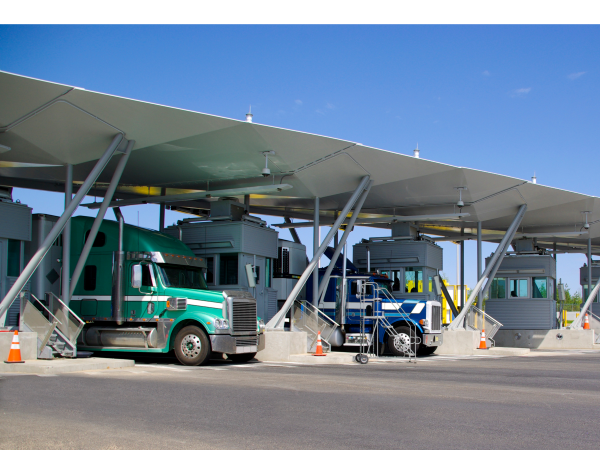
Cross-border trucking between the United States and Canada requires efficiency and careful planning. Delays at the port of entry directly impact profitability and driver hours of service. In 2026, the Canada Border Services Agency Assessment and Revenue Management system, commonly known as CARM, is fully operational. Understanding this digital infrastructure is crucial for carriers and commercial drivers to avoid unnecessary wait times at the border.
The New Digital Customs Landscape
CARM is a multi-year digital initiative by the Canada Border Services Agency that fundamentally changes how commercial goods are imported into the country. It digitizes the collection of duties and taxes. While the system is primarily designed for importers and customs brokers, it has a direct and significant impact on the daily operations of cross-border transport companies.
How CARM Impacts Carriers at the Border
Under the fully implemented CARM framework, every importer must be registered in the CARM Client Portal and must post their own financial security. If an importer fails to meet these digital requirements, their shipments cannot clear customs. For the commercial driver, this means the truck will be stopped at the border.
In the past, paper-based workarounds or last-minute broker interventions could sometimes save a load from extreme delays. In 2026, pre-arrival processing is strictly digital. If the digital customs entry is not properly linked to the carrier code before the truck arrives at the primary inspection booth, the vehicle will be directed to secondary inspection or held until the importer resolves their account status.
Responsibilities for Transport Companies
To maintain smooth border crossings, transport companies must adapt their dispatch procedures. Dispatchers must ensure that the customs broker has successfully filed the entry and that the importer is fully compliant with CARM regulations before the driver is dispatched to the border. Drivers should verify with their dispatch team that the Pre-Arrival Review System barcode is accepted in the digital system to prevent unexpected holdups.
Conclusion
The CARM system streamlines customs processing for the Canadian government but penalizes unpreparedness within the supply chain. For commercial drivers in 2026, avoiding border delays requires excellent communication with dispatch. Ensuring all digital customs clearances are confirmed prior to reaching the border is the only way to keep freight moving efficiently.
Sources: Canada Border Services Agency CARM Guidelines 2026; Canadian Trucking Alliance Border Wait Time Reports; TruckstopCanada Editorial Team.
Photo: Trusted Dispatch
Disclaimer: Customs regulations and CARM processes are subject to change. Always verify current requirements with a licensed customs broker or the Canada Border Services Agency (CBSA) before dispatch.