

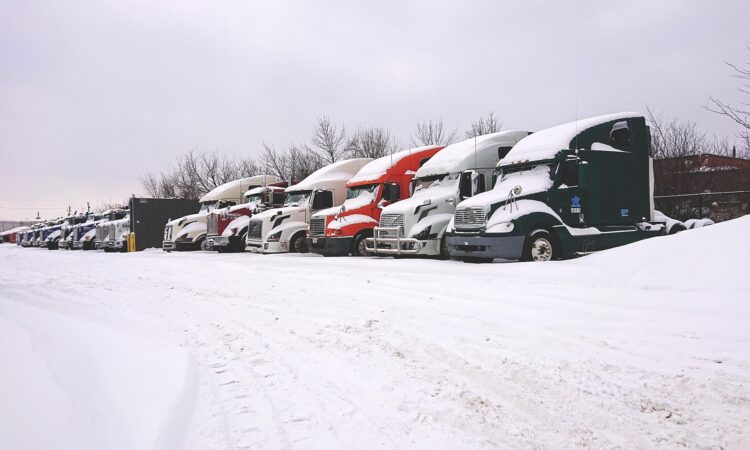
Canadian winter is tough on equipment, but nothing is more dangerous than a frozen air brake line. When temperatures drop below -20°C, moisture in your air system can turn into ice, blocking valves and lines. The result? Brakes that drag, lock up, or—worst of all—fail to engage when you need them. Here is how professional drivers keep their air system flowing in the freezing cold.
Why do Air Brakes freeze?
Your compressor sucks in outside air to pressurize the tanks. Even in winter, this air contains humidity. When that hot compressed air cools down in the tanks, the water condenses. If this water reaches a valve or the brake lines, it freezes instantly, blocking the airflow.
1. Drain Your Tanks Daily (No Excuses!)
Modern trucks have air dryers, but they are not perfect. The most effective way to prevent freeze-up is manual draining.
- The Routine: Pull the lanyards on your air tanks (wet tank first, then primary and secondary) at the end of every shift.
- What to look for: If you see a lot of water or oil coming out, your air dryer cartridge might be expired and needs replacing immediately.
2. Watch the Methyl Hydrate (Alcohol)
Many old-school drivers swear by pouring methyl hydrate (air brake antifreeze) into the gladhands.
- Warning: Be careful with newer trucks! Excessive alcohol can damage the rubber seals and O-rings in modern brake valves, leading to leaks later. Only use it in emergencies to unfreeze a blocked line, never as a daily “maintenance” habit unless approved by your mechanic.
3. The “Drag Test”
Before you hit the highway after parking overnight in freezing conditions, ensure your wheels are actually rolling.
- The Trick: Release your brakes and move forward slowly. Check your mirrors. Are all wheels turning? Frozen brake shoes can stick to the drums. If you drag them, you will ruin the tires or start a fire.
4. Check the Air Dryer Heater
Your air dryer has a built-in heater element to prevent the purge valve from freezing. During your pre-trip inspection, touch the bottom of the air dryer (carefully!). It should feel warm. If it is cold while the truck is running, the heater fuse might be blown.
Summary
A frozen brake line isn’t just an inconvenience; it is a breakdown waiting to happen. Keeping moisture out of the system is the only 100% cure. Drain your tanks, check your dryer, and stay safe on the icy roads.
Source: Bendix Tech Tips / Transport Canada Guidelines / TruckstopCanada Editorial Team
Photo: Pixabay
Disclaimer: Always follow the specific maintenance procedures in your vehicle’s operator manual.