

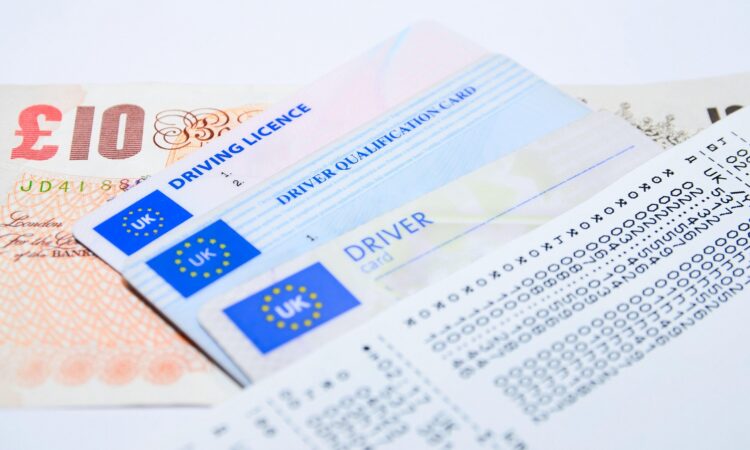
For many European truck drivers, especially from Germany, working in Canada is the ultimate dream. Wide roads, big conventionals, and good pay. But there is one major hurdle that catches many newcomers off guard: Your driving license. Even if you have 20 years of experience on the Autobahn with a Class CE license, you cannot simply swap it for a Canadian Class 1 (or AZ) license. Here is the reality of licensing for immigrants in 2026.
The Hard Truth: No Direct Swap for Commercial Licenses
Canada has reciprocal agreements with many countries (like Germany, UK, Australia) allowing you to exchange your car license (Class 5 or G) directly without a test.
However, this does not apply to commercial truck licenses.
- The Rule: If you want to drive a big rig in Canada, you almost always have to start the licensing process from scratch regarding the truck portion.
The Process: From “Green” to “Class 1/AZ”
If you arrive in Ontario or British Columbia in 2026 with a foreign truck license, the path usually looks like this:
- Swap the Car License: You get your Canadian car license based on your foreign experience.
- Medical Exam: You must pass a Canadian medical check for commercial drivers.
- Knowledge Test: You must pass the written theory test for trucks.
- MELT (The Expensive Part): You must complete “Mandatory Entry-Level Training”.
What is MELT?
Since huge safety reforms a few years ago, provinces like Ontario (AZ License), BC (Class 1), and Alberta require a mandatory training course called MELT.
- The Cost: This is a significant investment. In 2026, a MELT course costs between $8,000 and $15,000 CAD, depending on the school.
- Duration: It takes about 4 to 6 weeks (over 100 hours of training).
- Note: Even experienced German drivers must sit through this. There are very few exceptions, though some provinces may grant “credits” for experience, reducing the hours slightly – but rarely the cost.
Don’t Forget the “Z” (Air Brakes)
In Canada, operating air brakes requires a specific endorsement (Z-Endorsement). This is a separate theory and practical test where you must demonstrate that you can adjust manual slack adjusters and inspect the system. Your European experience helps here, but the testing procedure is very strict.
Is it worth it?
Yes. While spending $10,000 and going back to “school” feels frustrating for a veteran driver, the return on investment is quick.
- The Demand: Canadian fleets are desperate for safe, experienced drivers.
- The Pay: With salaries for long-haul drivers often exceeding $80,000 – $100,000 CAD per year, you can earn the cost of the license back in a few months.
Summary for Immigrants
Don’t come to Canada expecting to drive a truck on Day 1. Budget for at least 2 months of time and around $12,000 for training and fees. It is the price of admission to one of the best trucking markets in the world.
Source: DriveTest Ontario / ICBC / TruckstopCanada Editorial Team
Photo: Pixabay
Disclaimer: Licensing rules vary by province. Always check with the local transport authority (e.g., MTO, ICBC).