

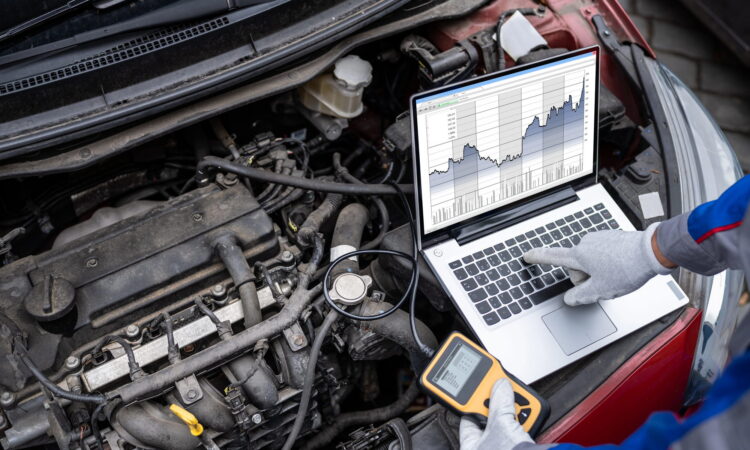
Ask fleet operators running heavy-duty trucks across Canada about their biggest challenge, and balancing performance with fuel costs always comes up. Every route throws something different at you. Whether it’s hauling timber in British Columbia or moving freight through Quebec winters, the factory settings don’t always match what the job really demands. That’s why more Canadian fleets are now looking at engine remapping. It’s not about hot-rodding trucks. It’s about tailoring the power delivery so the equipment works as hard as the drivers.
The role of remapping in Canadian fleets
Canada’s massive distances test every truck. From icy highways to mountainous construction zones, vehicles face unique strains. High-load assignments require peak engine performance, stable emissions control, and unwavering reliability. Here, diesel engine tuning is never generic. Each truck must match its route, climate, payload, and regulatory context. Remapping delivers consistent output, mile after mile, across the entire fleet.
When you’re running long-haul operations, every dollar counts. Fuel, downtime and maintenance eat into your bottom line before you know it. That’s why more fleets are looking at upgrading their engine control units (ECUs). It’s a practical way to save on fuel while keeping the truck stable and predictable on those endless highway stretches. Fewer breakdowns, less wasted energy, and increased horsepower under load all follow. Modern fleet management relies on professionally sourced calibration files, essential for ongoing safety and customer trust.
What is remapping and why does it matter?
Engine remapping often called ECM tuning means revising factory settings inside a truck’s ECU. This process optimizes software based on real-world needs, not broad global benchmarks. Factory calibrations rarely fit Canada’s tough environment or operational demands.
Specialists upload new maps to the ECU, changing limits for fuel injection, turbo boost, and torque. Performance optimization removes old restrictions, replacing them with precision programs tailored to each engine’s model, workload, and route. The payoff? Noticeable horsepower and torque increase. Throttle response improves, power stays usable even when trucks are fully loaded. If you are looking for an edge, you can benefit from accessing truck chiptuning files designed for demanding environments.
- Expert calibration often boosts fuel efficiency by up to 10%.
- Turbo boost adjustment ensures stronger pulls without hardware stress.
- Custom tuning handles cold starts and elevation shifts with confidence.
For mechanics and operators, the goal stays simple. More work per liter burned. Fewer repairs. Better days behind the wheel. With stricter Canadian emission standards, compliant and reliable calibration is really the only option if you want sustainable operation and peace of mind.
Vehicle-specific calibration: the need for professionalism
No two trucks face the same job. City delivery vans differ sharply from remote haulers or construction tippers. Each application stresses parts—bearings, pistons, injectors, aftertreatment differently. Professional calibration adapts software not just for engine type but for duty cycle, idle time, and average payload.
Universal “performance” tunes don’t suit Canadian extremes. Poor-quality files cause warning lights, limp modes, and expensive failures that erase any benefit. Expert tuners use technical data, road experience, and proven results to craft safe, scenario-specific software. ECUs stay stable. Results stay predictable. Engine longevity and reliability improvement become standard, not exceptions.
Engine longevity and safe gains
Reliability is vital for high-use vehicles. Top-tier remaps avoid aggressive timing or excessive fuelling. Instead, incremental horsepower and torque increases balance with OEM safety factors. Staying within recommended EGT and rail pressure limits cuts part stress and lengthens service intervals. Custom tuning can even adjust exhaust temps or DPF cycles, further reducing wear during harsh seasons.
Each small tweak counts. Lower transient smoke output keeps SCR systems healthy. Stable boost profiles prevent surging after steep climbs. Reliable calibration means confident planning and steady uptime for Canadian fleets.
Drivability and operator experience
Responsive acceleration and steady cruising make life easier for drivers. Carefully tuned torque curves mean less shifting on hills, quicker overtakes, and reduced lag. Adjusted turbo boost and refined fuel maps ease urban traffic or stop-start demands.
This focus on comfort pays off. Less fatigue, higher morale, and better adherence to best practices promote both fuel efficiency and equipment care. Operators who enjoy their trucks tend to conserve resources and extend vehicle lifespan.
The importance of reliable files and trustworthy providers
Industry scrutiny continues rising. Sourcing professionally developed remapping files is essential. Provider reputation protects against legal risks and mechanical headaches. Reputable suppliers guarantee manufacturer and emissions compliance, supporting safety and building lasting customer trust.
Unverified downloads risk bricked ECUs, lost warranties, and roadside enforcement trouble. Trusted partners like OLSx check checksum integrity, anti-tamper coding, and live updates before releasing any file. Documentation supports every change, ensuring transparency for service, warranty, and insurance. Choosing well saves money and avoids future problems.
Best practices for sustainable remapping in commercial fleets
Canadian operators succeed by following these field-proven steps:
- Invest only in custom tuning from experienced professionals familiar with specific models and routes.
- Request comprehensive diagnostics before and after uploads to track progress precisely.
- Demand written proof that files meet all federal and provincial environmental rules.
- Schedule spot-checks and recalibrations as routes, hardware, or software evolve.
- Maintain open communication between remapping providers and original manufacturers to spot issues early.
Advanced fleet management systems now integrate these protocols into regular maintenance schedules. Results show boosted uptime, real savings, minimal warranty events, and documented reliability improvement across mixed-brand fleets.
How remapping shapes the future of Canadian heavy-duty transportation
Efficiency mandates keep tightening across the board. Logistics, construction and hauling companies now rely on performance optimization to deliver more goods faster and leaner, all while staying compliant and protecting long-term reliability.
With precise data and trusted tools, Canadian technicians and fleet specialists are leading the way in modern diesel engine tuning. Smart choices and professional upgrades set the stage for a smoother, greener road ahead. One where every kilometer counts for both business and sustainability.